Irma Booysens Evening Trail Walk     

I am embarrassed to admit that after years of visiting Cape St Francis, I had never done the Irma Booysens trail. To be honest I don’t know why…well, maybe it was the name that threw me. I mean, I’ve done trails like the Whale Trail, or heard of the Otter Trail. But Irma Booysens, that’s not one that jumped out at me.
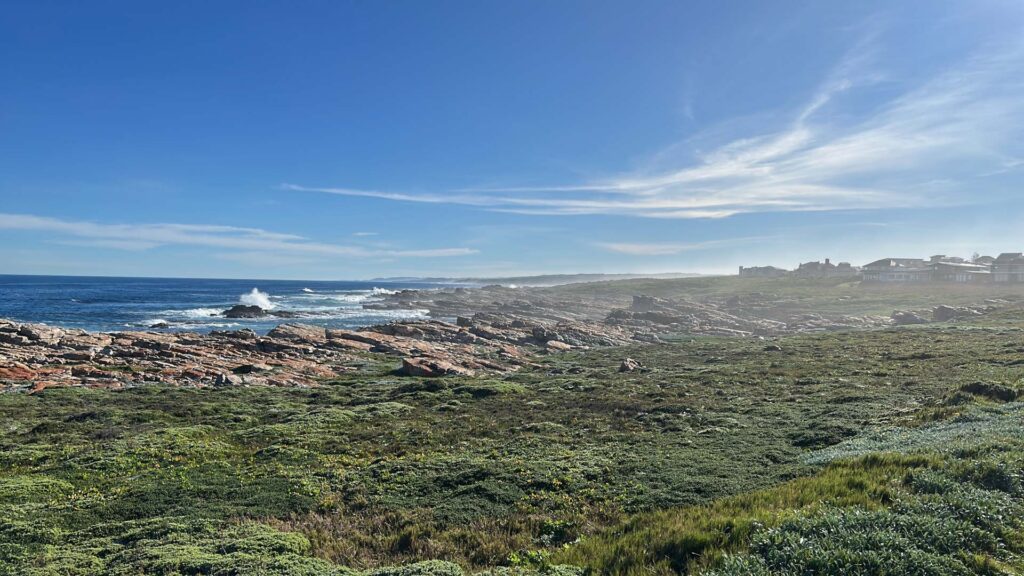
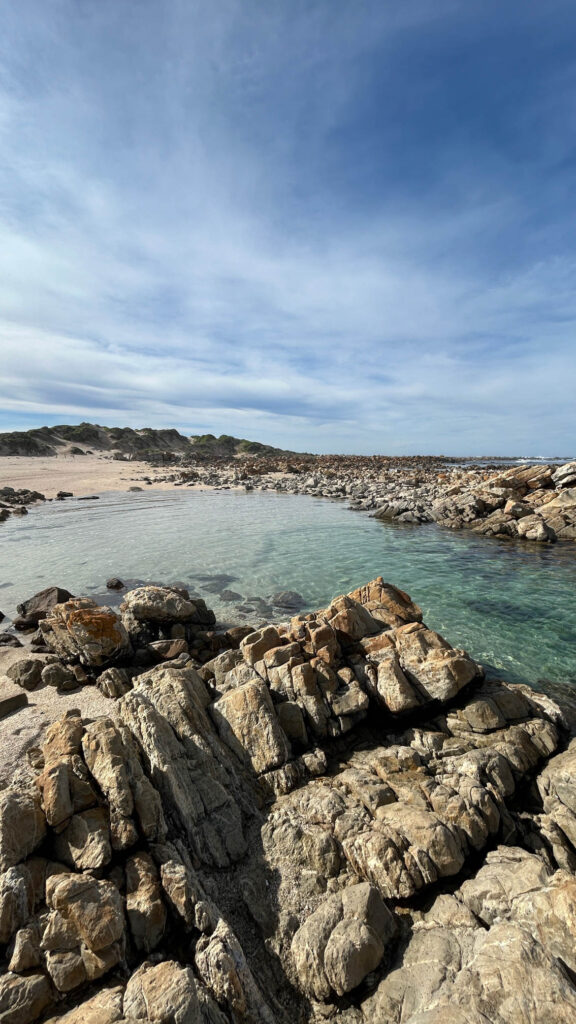
Why wouldn’t it? Because in fact, Irma Booysens was a saint. She is half the reason that Cape St. Francis remains, to this day, a little paradise. Irma Booysens was a part of the family that owned the farmland before it became developed. Legend has it, that she persuaded her husband to set aside a large portion of the land to preserve its natural beauty…and that she was an avid lover of Fynbos. Although our area continues to become more developed, the Irma Booysens reserve acts to preserve the natural beauty of this unique coastline. Boasting 64 hectares of untouched flora and fauna, and the distinctive smell of fynbos teeming through the area – we can only be grateful to Irma Booysens for having the foresight to protect this precious gift on the SW point of Africa. The reserve has acted as a buffer to ensure that the area retains its natural beauty and that it does not become another over-developed coastal town.
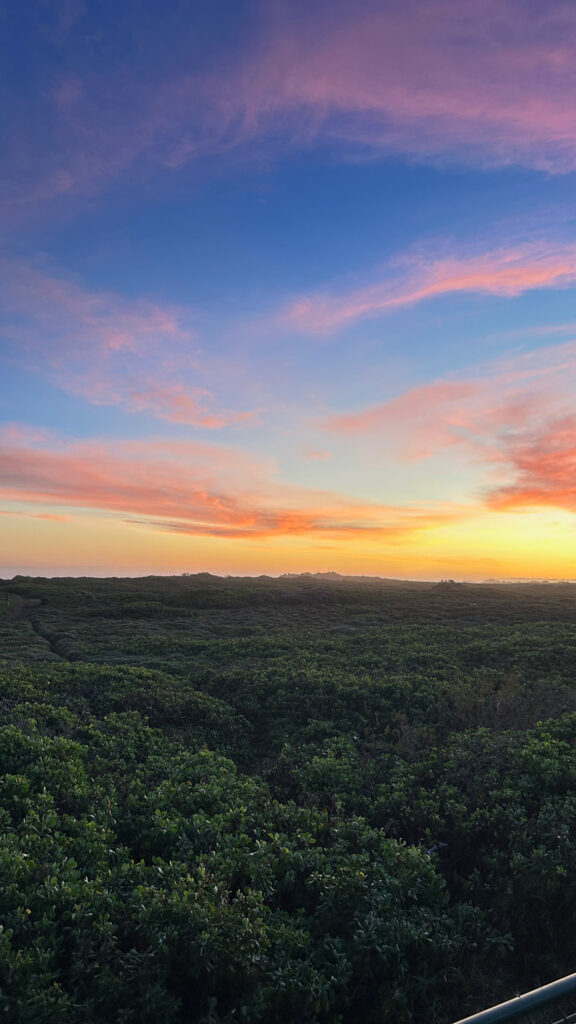
In addition, the reserve is also an important part of the dune system and sand flow in the area. Allowing Seals Point, and the beachy to get all that good sand…which makes for our world class waves.  Again, all respect and thanks to Irma. Since learning this fact, I sometimes offer gratitude to her after getting shacked on the beach break. A strange ritual, but hey, why not right?!
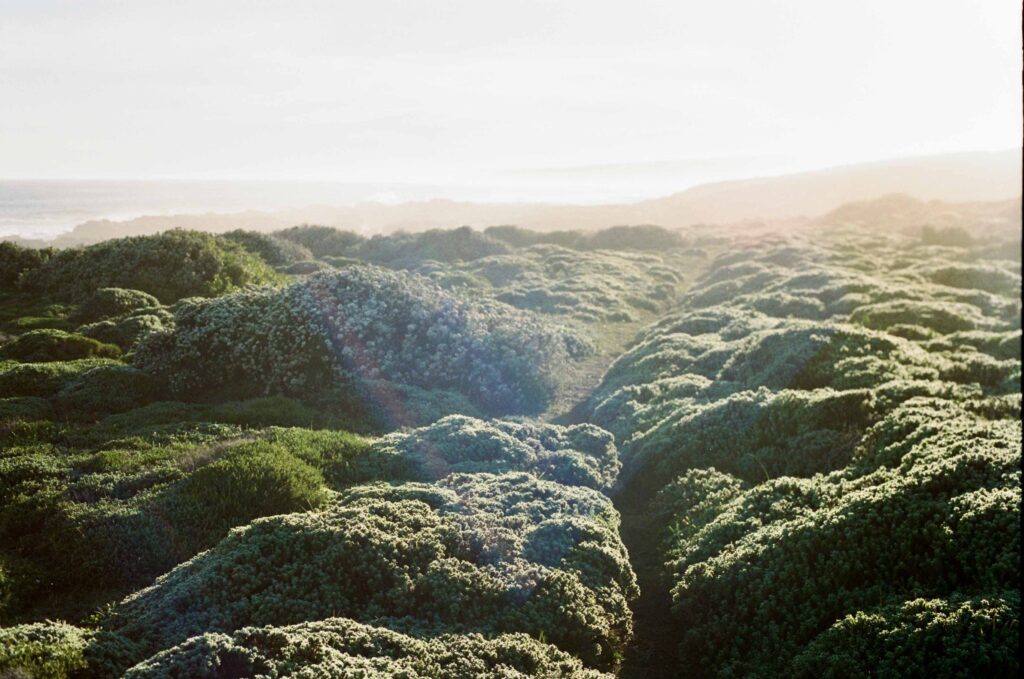
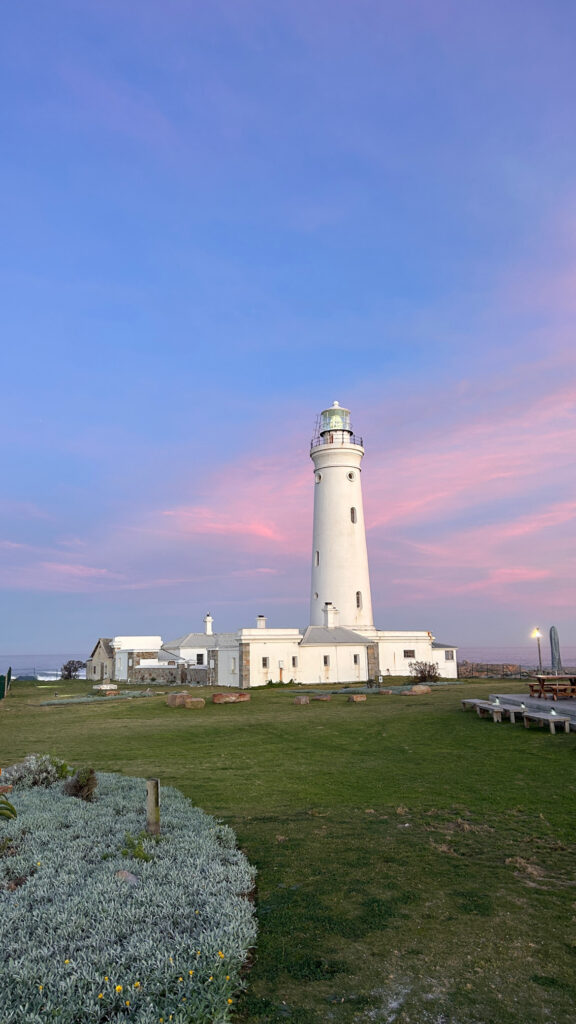
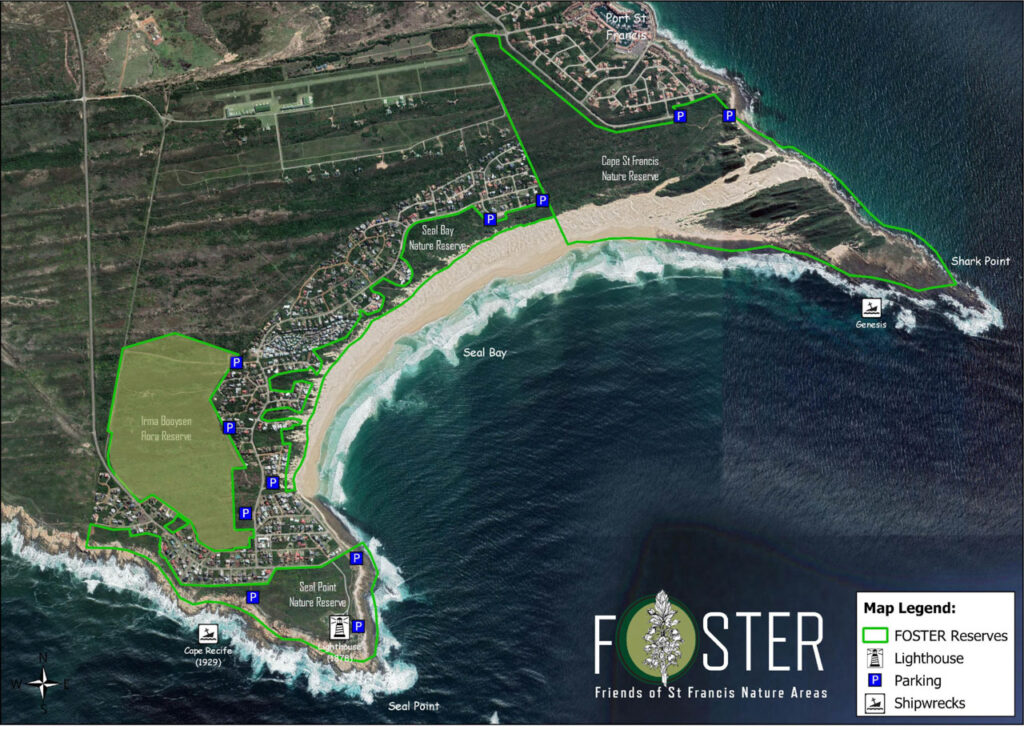
I learnt that unlike many of the other trails I have done, the Irma Booysens reserve has many entry and exit points. This allowed me to tailor the trail I wanted to do that evening based on the time I had. So, on this particular evening we decided to take the dog for a walk…poor boy had been indoors all week while we had builders on the property. It was late in the afternoon, and the sun was already setting. I estimated that we had an hour of light left, so we decided to do a quick loop. Entering the reserve off of Da Gama road next to the power station, and doing a quick walk up to the ridge for some views (and a quick surf check) and then looping back towards the lighthouse (to exit at the Tennis Court) and walk the rest of the way back along Da Gama road. It was my first time in the reserve and I was astounded by the general maintenance, overall beauty and of course the evening sky did not disappoint. What was only a 60-minute walk, was a great way to end the day before getting home to start the braai! And of course, Jagger the dog was stoked!
Many of the trees, fynbos and flowers had naming tags. I learnt that we have things like Coastal Olive trees, or Dune Olives….in Cape St. Francis. I don’t know why, but this astounded me! And much of what you will find here I s specific to the region…and can’t be found anywhere else on the continent, let alone the world. One starts to appreciate the precious gifts that make this coastline so unique! And that fynbos smell is so beautifully pungent. 
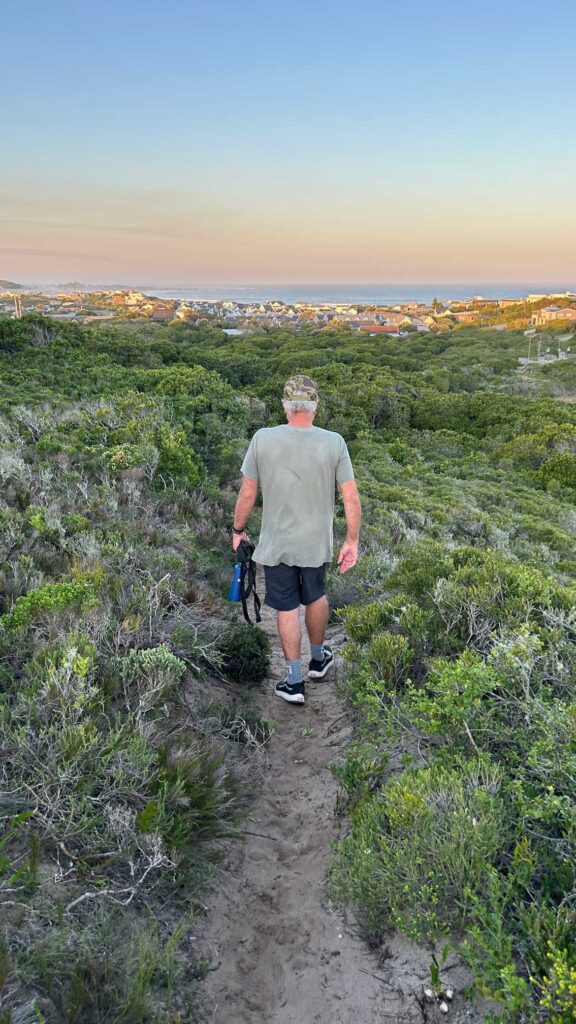
I did a few more walks during my time in Cape St. Francis and each one was different. Some to Sharks Point, with a pitstop at Full Stop for a pizza for lunch. Others through the reserve to the Lighthouse to sink a delicious cold beer (or a coffee for the morning folks) at The Pig & Rooster or Nevermind Café. Again, the beauty is that there are multiple entry and exit points allowing you to adjust your walk based on what you want to see, or how much time you have available. 


Key info:

The reserve is open 24/7 – we suggest sticking to daylight hours for safety reasons. 

Dogs are allowed.

Bicycles are allowed. 

There is a Tuesday evening run club which leaves from Full Stop Café at 5:30 every week…a great social run that surely ends with something cold to drink. 

The vegetation on the trails is generally cut and low, so I didn’t feel at risk for tick-bites. But if you’re worried you should put on some repellent or wear long socks. Also, South African ticks don’t carry Lymes disease but there’s a chance of tick-bite fever which is like a terrible form of flu that lasts a few days. But you can relax…no Lymes disease.

Walk with a degree of caution with half an eye open for snakes. We would advise wearing a pair of shoes (even sneakers are fine) as this area is home to the Puff Adder snake. While venomous, it is rare that deaths occur from one of these snake bites. I did google some key info for Puff Adder bites…and in a nutshell you have a few hours to get to a hospital to get the anti-venom. Not the ideal way to end a beautiful trail walk, but chances are slim if you stay alert. 

Take some water and sunblock and you are all set. Enjoy!

The Best Intermediate Surf Spots Near Cape St. Francis & Jeffreys Bay

If you’re an intermediate surfer looking to explore the legendary coastline of the Eastern Cape, South Africa — you’re in for a treat. While Jeffreys Bay (or “J-Bay”) is world-renowned for its perfect right-hand point breaks, the surrounding area offers a variety of user-friendly waves that are ideal for honing your skills, building confidence, and just having a blast.

Here’s a breakdown of some of the best intermediate surf spots near Cape St. Francis and Jeffreys Bay:

🌊 HULLETS REEF – Cape St. Francis

Best at: Low and High Tide | Wave Type: Lefts, Rights, & Longboard-friendly Rights

Hullets Reef is a true gem for intermediate surfers. At low tide, it offers an outside peak with both left and right-hand options, featuring a gentle open face that spills into a soft shoulder — perfect for practicing turns without feeling rushed.

When the tide comes in, Hullets transforms into a mellow, running right-hander reminiscent of Malibu, California. This makes it perfect for longboarders or surfers working on riding the open face. The wave offers enough push to catch early, but it won’t punish you for small mistakes. It’s a go-to spot for relaxed, flowing rides.

🐬 SEAL POINT – Cape St. Francis

Best for: Intermediate+ | Wave Type: Right-hand point break

When you’re starting to feel more in control — confident on the open face, able to duck dive, and handle a rock jump— Seal Point becomes your next playground. This iconic right-hand point break offers long, down-the-line walls that are great for building speed and practicing carves.

Seal Point is consistent, punchy, and incredibly rewarding. If you’re aiming to step up from mellow beach breaks and challenge yourself in slightly more demanding conditions, this is the wave that will take your surfing to the next level — without being too intimidating.

🏄‍♂️ KITCHEN WINDOWS – Jeffreys Bay

Best for: Beginner to Intermediate | Wave Type: Beach break & reef

Located at the heart of Jeffreys Bay, Kitchen Windows is not just a surf spot — it’s a piece of local surfing history. Known as the birthplace of surfing in the area for surfers of colour, it remains a hotbed of talent, with many local youth learning to surf here before progressing to become professionals.

The waves here are clean and approachable, with a friendly crowd of beginners, intermediates, and traveling surfersenjoying its consistent peaks daily. Kitchen Windows is a great place to work on your fundamentals, meet fellow surfers, and soak up the local surf culture.

🌀 LOWER POINT – Jeffreys Bay

Best for: Intermediate | Wave Type: Long, right-hand point break

Arguably one of the most iconic and beloved intermediate waves in the worldLower Point offers long, rippable walls that run down the line and transition into softer shoulder sections — giving you room to relax, kick out, and paddle back without interrupting other surfers’ rides.

It’s fast enough to be thrilling, yet forgiving enough to learn how to trim, link turns, and practice positioning. Lower Point is also a haven for longboarders and cruisers, making it one of the most versatile and high-stoke surf zones in the region.

Final Thoughts

The stretch of coastline between Cape St. Francis and Jeffreys Bay offers a wide range of intermediate-friendly waves that will not only elevate your surfing but also immerse you in one of the richest surf cultures in the world.

From the cruisey lines of Hullets to the fun walls of Seal Point, and the cultural heartbeat of Kitchen Windows to the classic peeling perfection at Lower Point — this is a surf trip you won’t forget.

Get ready to rip!

Where Surfers Actually Hang Out in St Francis Bay & Cape St Francis

Forget the overpriced tourist spots and canal-side Instagram traps — if you’ve been in the water all morning and you’re looking for a cold beer, a proper meal, or just a to kick back and talk surf, these are the spots where the crew like to hang. 

1. St Francis Brewing Co (St Francis Bay)

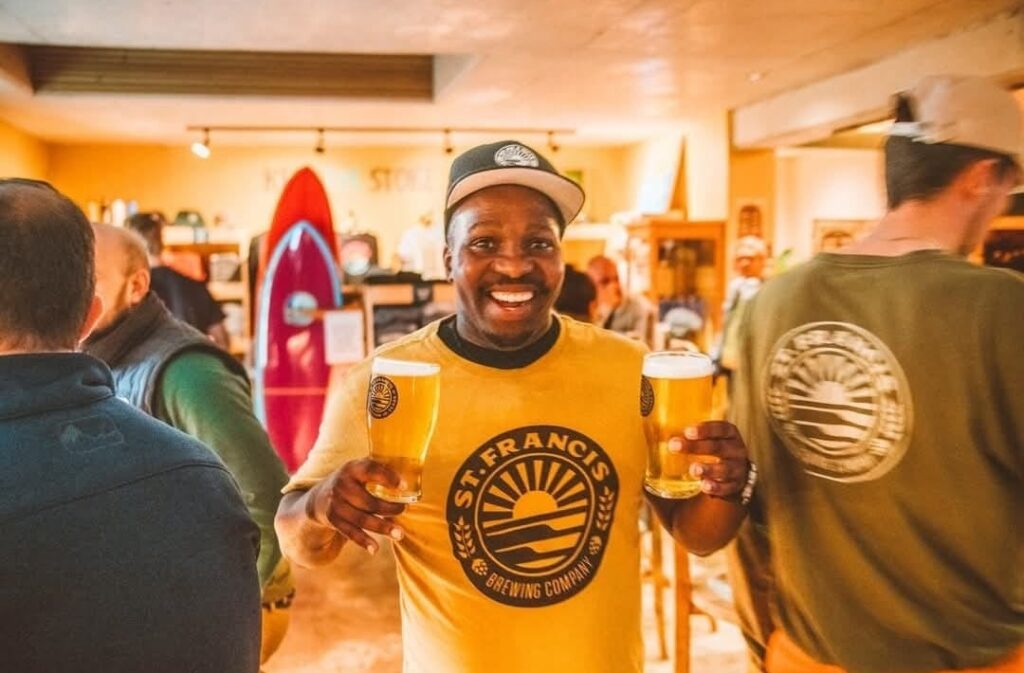
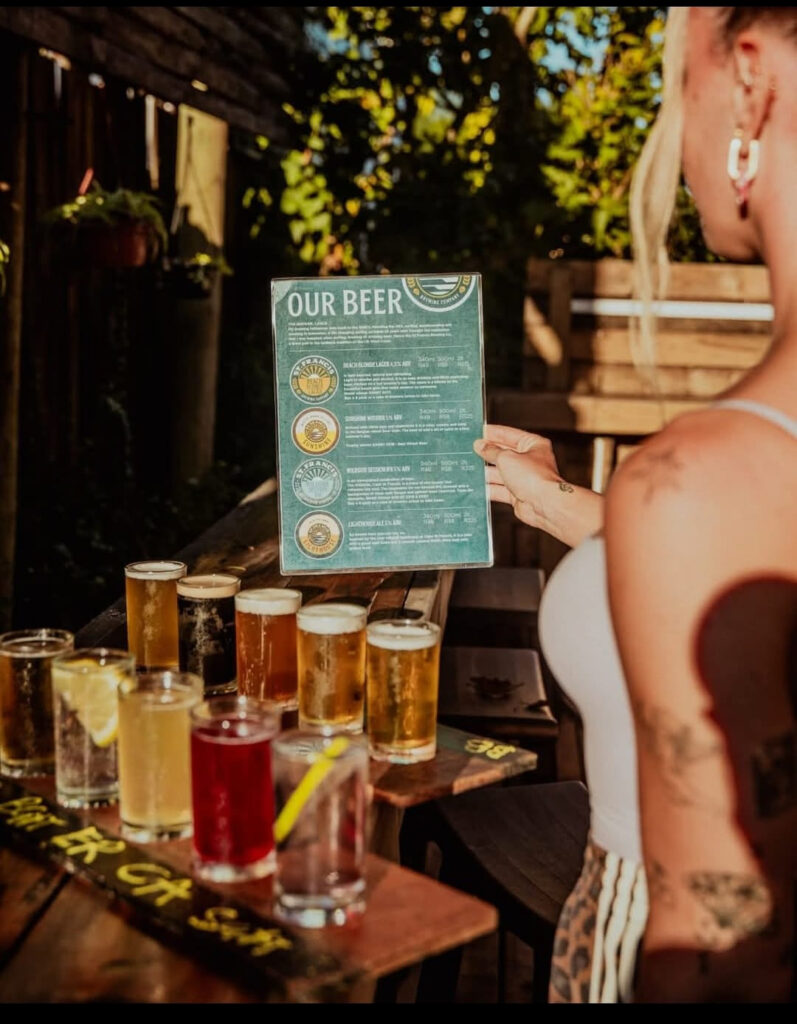
This is where it all begins. Locally brewed craft beer, live music, and a real sense of community. The brewery was started by surfers, and it shows — no pretentious nonsense, just good vibes and better beer. Whether you’re in for a chilled pint of Wildside IPA or catching a local band, this place is a proper post-surf hangout.

  • Best for: Craft beer, live tunes, good conversation
  • Bonus: Trivia nights, decent food, and an always-welcoming crew

2. The Pig & Rooster (Cape St Francis)

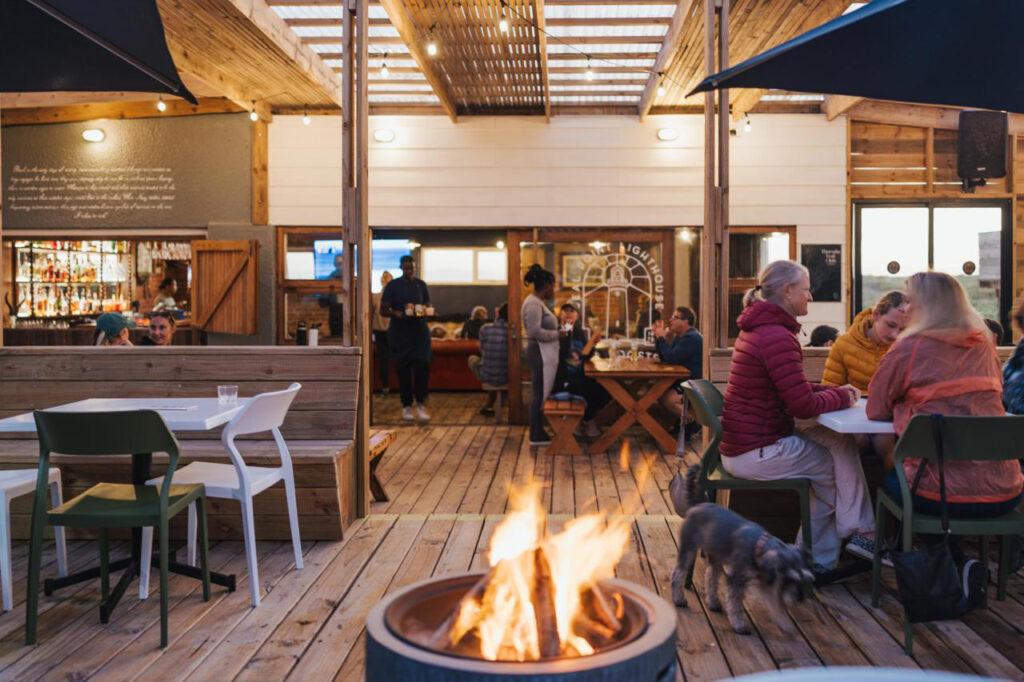
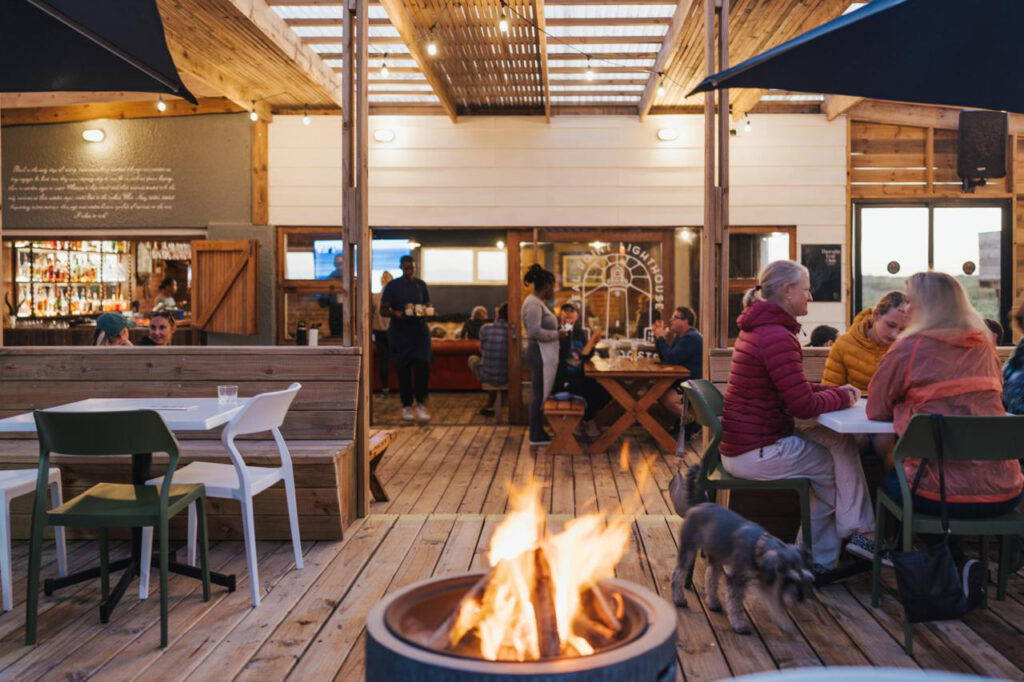
Right by the lighthouse and literally a stone’s throw from the surf. It’s relaxed, rugged, and serves some of the best pub-style food around, all cooked over an open flame. Whether you’re watching the surf or catching a game on the screen, it’s the kind of spot you can lose a whole afternoon at — and not regret a second.

  • Best for: Post-surf burgers, beers, and watching the action
  • Local tip: Keep your eyes on the break while your food sizzles

3. Full Stop Café (Cape St Francis)

Named after the notorious Full Stop Rock — the very spot where many surfers have left behind fins, skin, and their pride. The café doesn’t take itself too seriously, which makes it even better. Burgers, pizzas, laughs with locals — it’s all here. Family-friendly but still cool enough to roll in with sandy feet and a sunburn.

  • Best for: Pizza, beers, and stories about who got smoked at Full Stop
  • Vibe: Chill and cheerful, with a touch of surf folklore

Coffee, Breakfast & Post-Session Refuels

Once you’re done with the heavy stuff or just rolling in early after a dawn patrol, here are the cafés and chill spots that fuel the real ones:

4. Bruce’s Café (St Francis Bay)

Right next to the legendary Bruce’s Beauties — arguably one of the best waves on the planet when it’s firing. Bruce’s Café is the go-to for a bite after a long session or even just to sit with a coffee and watch the lineup. Great food, chilled vibe, and perfect location.

  • Best for: Watching the surf, post-surf wraps or eggs, chill mornings
  • Bonus: Outdoor seating with front-row views of the wave

5. Coastal Café (Cape St Francis)

This is where everyone meets in the morning. Surfers, locals, digital nomads — they all pass through. Great coffee, solid smoothie bowls, healthy meals, and it’s right next to the gym and pool if you’re that way inclined. A real community spot that’s central to the Cape St Francis vibe.

  • Best for: Pre-surf coffee, healthy fuel, bumping into half the lineup
  • Vibe: Super relaxed, unpretentious, surfer-run feel

6. Rambling Rose (St Francis Bay)

A local legend. Big menu, consistently tasty food, and a warm, homey atmosphere. The owner and team are always around, which means you get that extra personal touch. Whether you’re in for a massive breakfast, a recovery lunch, or just something sweet, this place always delivers.

  • Best for: Hearty meals, comfort food, laid-back catch-ups
  • Bonus: Good for groups, families, or solo refuels

7. The Bakery (St Francis Bay)

Need something on the go? The Bakery’s your spot. Great coffee, fresh pastries, sandwiches — whatever you need to get moving again. Perfect for grabbing a bite between surfs or fueling up before you hit the point.

  • Best for: Quick caffeine hits, something sweet, or a car snack
  • Vibe: In-and-out with quality — no time wasted

Final Thoughts

St Francis Bay and Cape St Francis are more than just great waves — they’ve got a real surf culture, with places that are built for surfers, by surfers. These aren’t tourist traps or places where you have to wear shoes — they’re where the community eats, drinks, laughs, and lives.

Whether you’re pulling into barrels at Bruce’s, getting worked at Full Stop, or just soaking up the slower pace of the Cape — these spots have your back when you come in off the water.

Best Wetsuits for South Africa

South Africa’s coastline offers a wide variety of surfing conditions, from the chilly waters of the Western Cape to the warm Indian Ocean along the KZN coast. Choosing the right wetsuit for each region can make all the difference between an enjoyable session and feeling cold and uncomfortable. Here’s a quick guide to the best wetsuit options for the main surf regions of South Africa.

Wetsuits for the Western Cape: What You Need to Know

Surfing around Cape Town and the West Coast means preparing for cold water year-round, with average temperatures between 10°C and 14°C (50–57°F). Even in summer, the water can feel icy — especially when the southeast wind blows and triggers upwelling.

A good 4/3mm wetsuit will get you through most sessions comfortably. But if you plan to spend a lot of time in the water — especially during winter or on windy days — it’s worth having a 5/4/3mm suit as well.

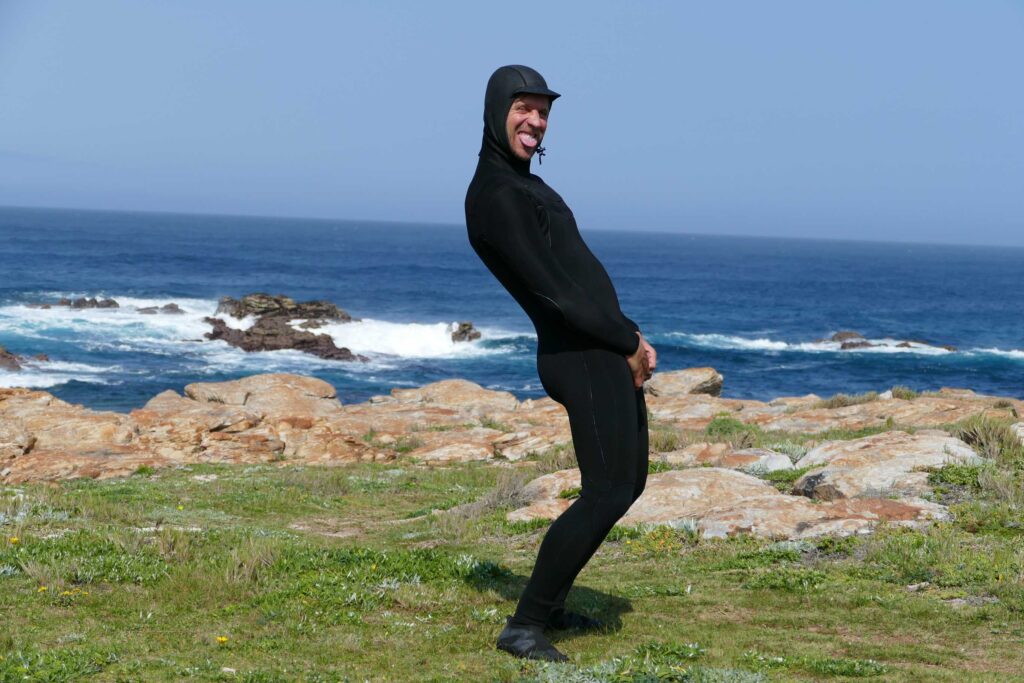
Booties are a must, not just for warmth but also for protecting your feet on rocky entries. A hood and gloves can really help on the colder days, though most surfers only use them in deep winter or during long sessions.

With the right gear, you’ll stay warm and enjoy everything this wave-rich coastline has to offer.

Wetsuits for the Eastern Cape: J-Bay to the Transkei

Surfing the Eastern Cape, from Jeffreys Bay up through Cape St. Francis and into the Transkei, means slightly warmer water than the Western Cape, but you’ll still want the right wetsuit for the conditions.

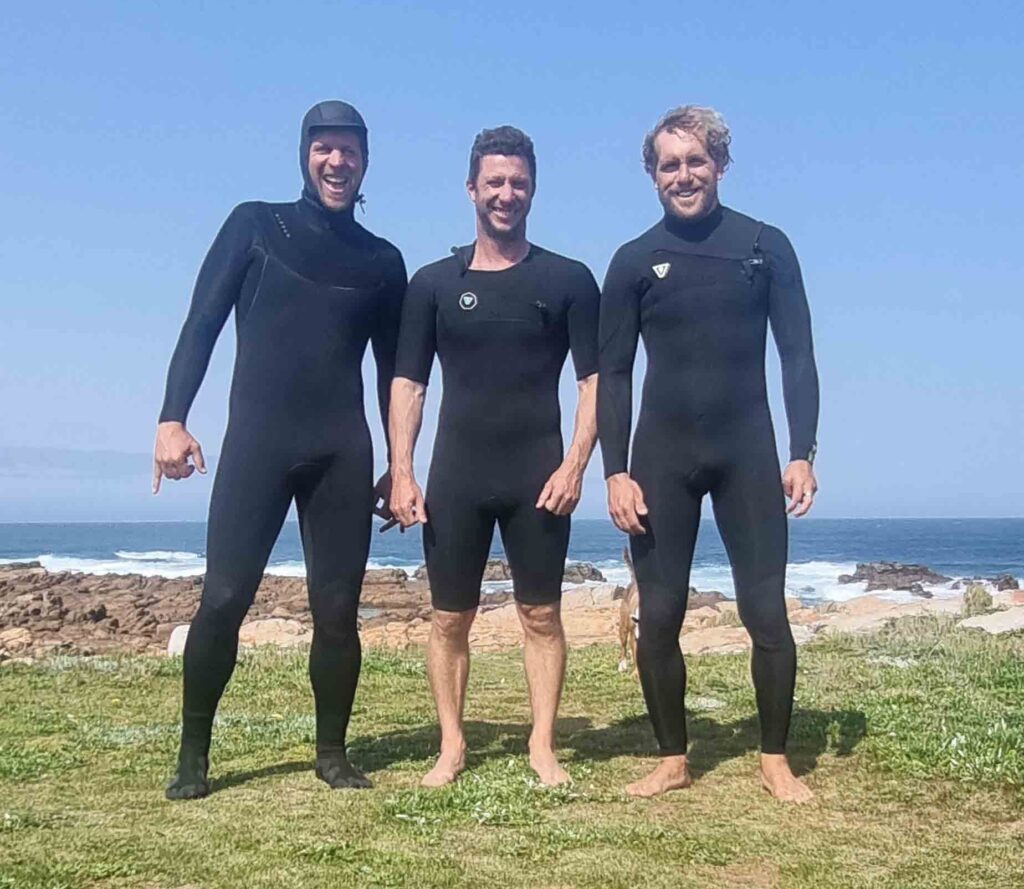
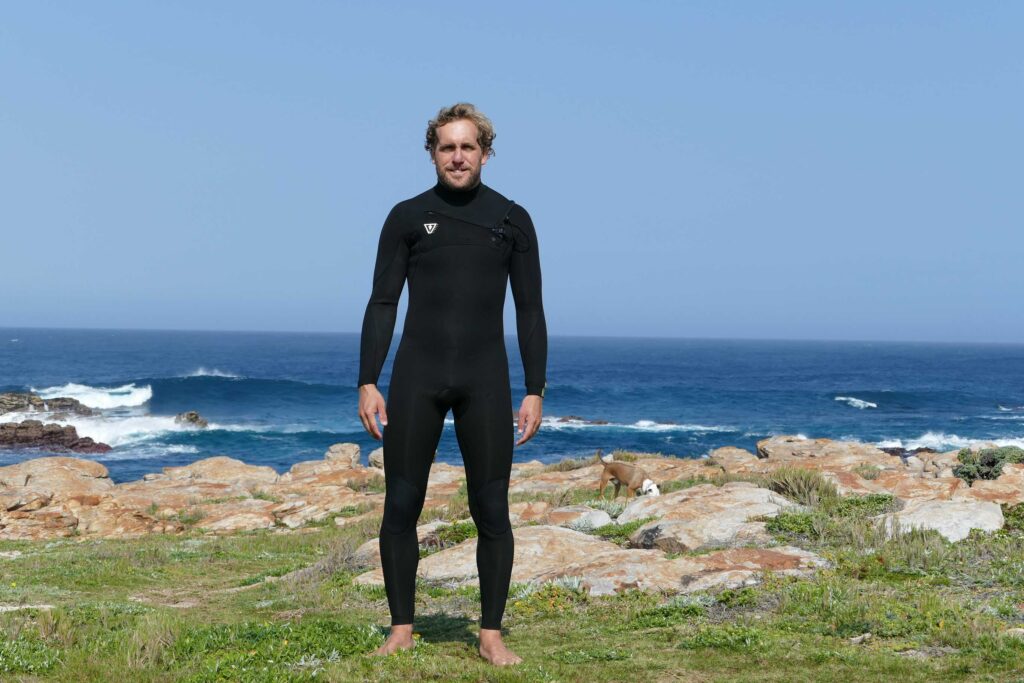
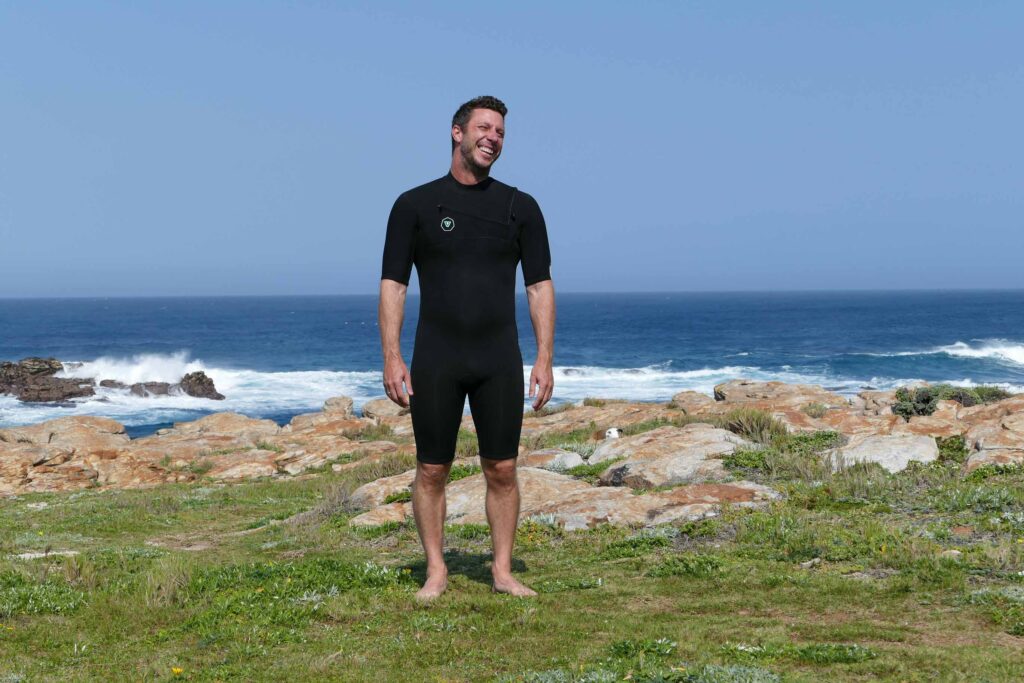
Around J-Bay and Cape St. Francis, a 3/2mm steamer is usually ideal for most of the year. When winter swells roll in with strong winds and colder water, a 4/3mm suit — maybe with a hood — is perfect for keeping warm during longer sessions.

Further up the coast, toward East London and the Transkei, the water warms up a few degrees. A 3/2mm or shorty is often more than enough, even in winter, making these regions great for lighter suits and longer surfs.

If you’ve got a 4/3 and a shorty or 3/2 in your kit, you’ll be covered for just about everything the Eastern Cape has to offer — from long walls at J-Bay to the remote points up the Wild Coast.

Wetsuits for the KZN Coast: Warm Water Year-Round

The KZN coast, stretching from Port Edward all the way up to Mozambique, is famous for its warm Indian Ocean water — making it the most boardshort-friendly part of South Africa’s coastline.

During summer, most surfers get by with just boardies, and while a rash vest can be handy for sun protection, it’s not always necessary — especially if you’re careful with sunscreen or prefer a bit of sun on your skin.

In winter, cool morning land breezes coming down from the Drakensberg Mountains can make the air feel crisp, so a 2mm shorty or light steamer is often enough to take the chill off early sessions without overheating once the sun is up.

For surfers here, having a simple wetsuit option on hand for cooler mornings is usually all you need to enjoy the warm, consistent waves year-round.